
 7.0
7.0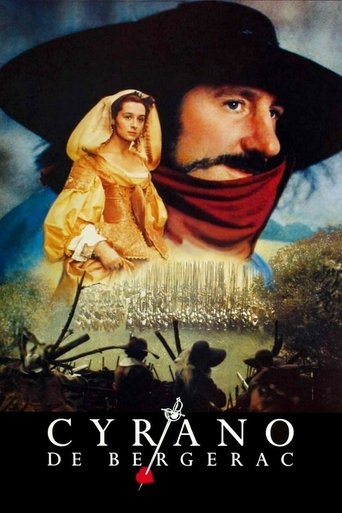 7.3
7.3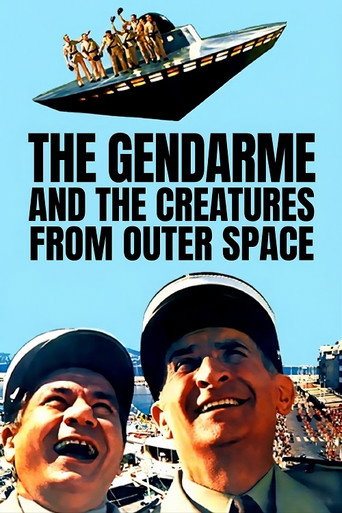 6.1
6.1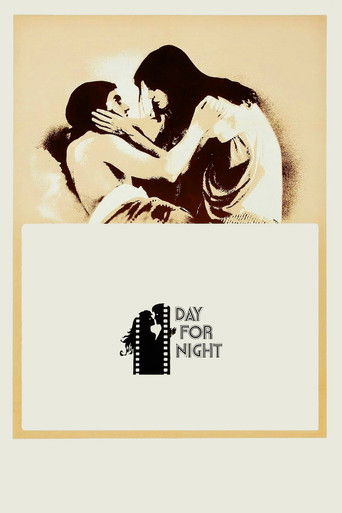 7.8
7.8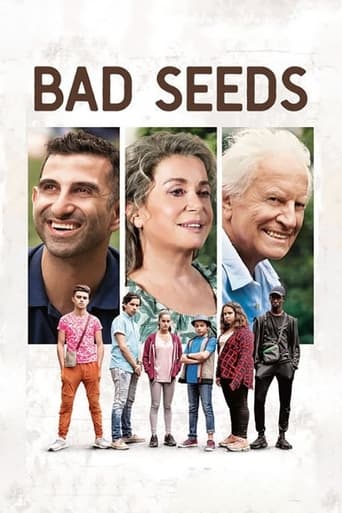 7.6
7.6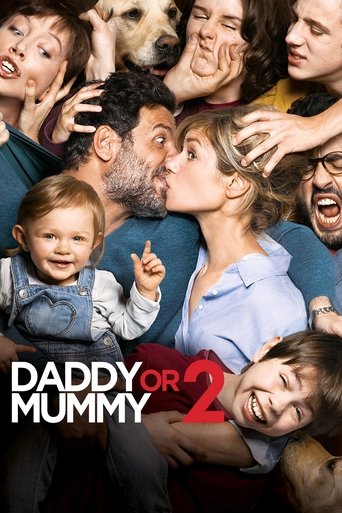 6.1
6.1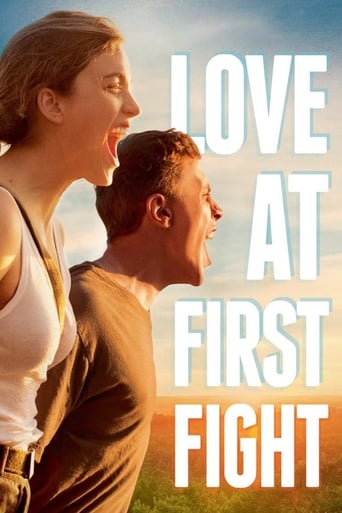 6.5
6.5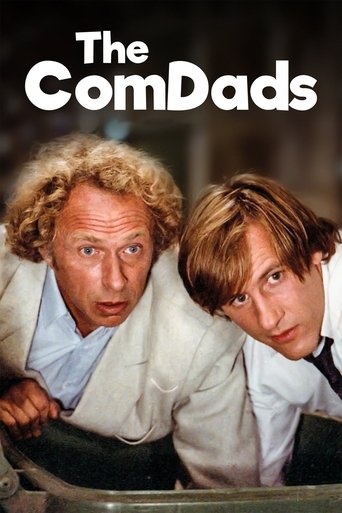 6.6
6.6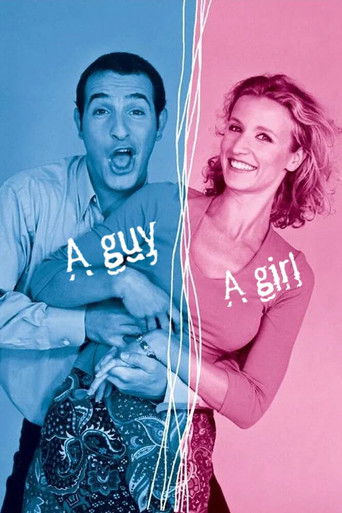 6.5
6.5 6.5
6.5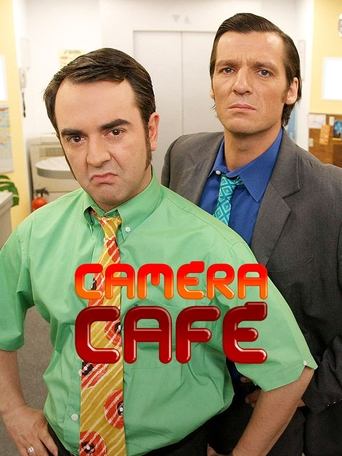 6.9
6.9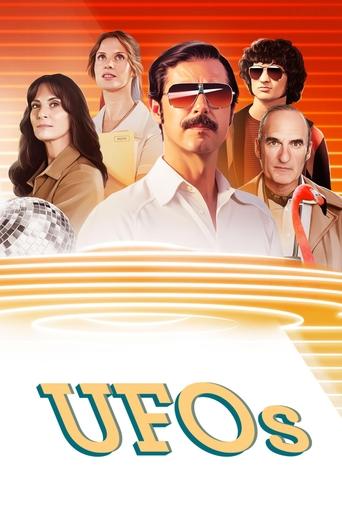 7.2
7.2 6.4
6.4 6.9
6.9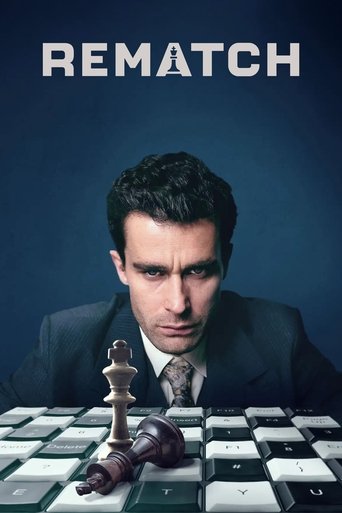 7.2
7.2 6.4
6.4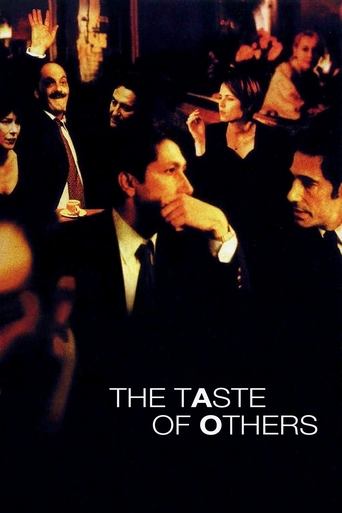 6.9
6.9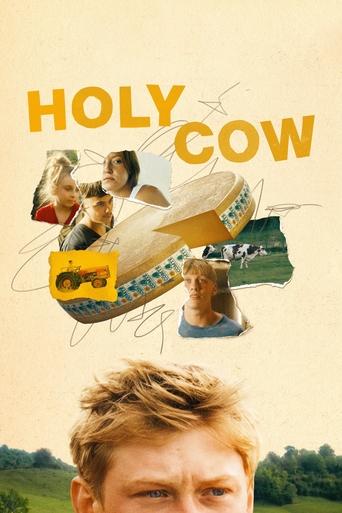 6.9
6.9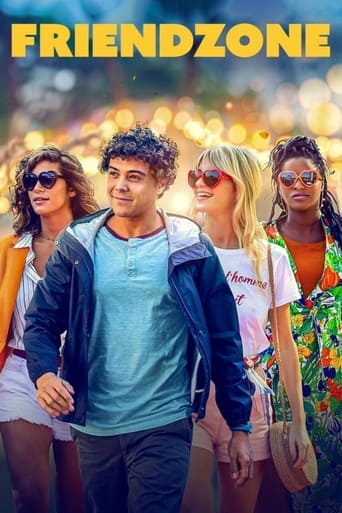 5.8
5.8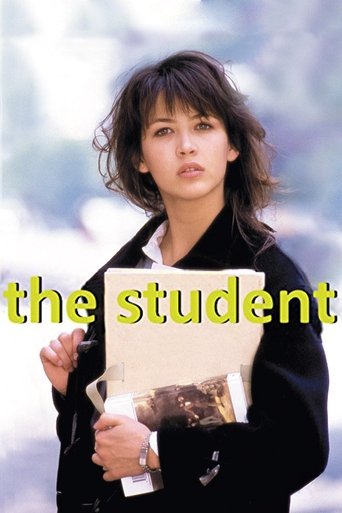 5.9
5.9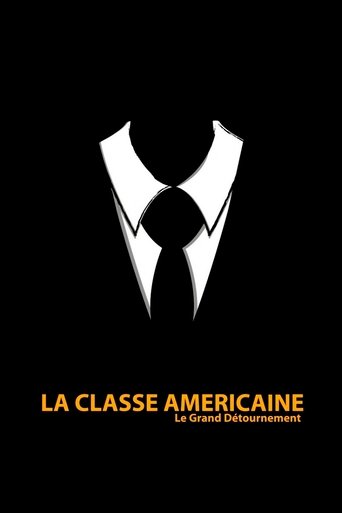 7.6
7.6 6.1
6.1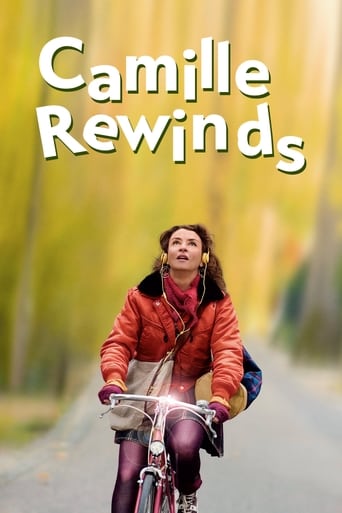 6.1
6.1 6.9
6.9 7.7
7.7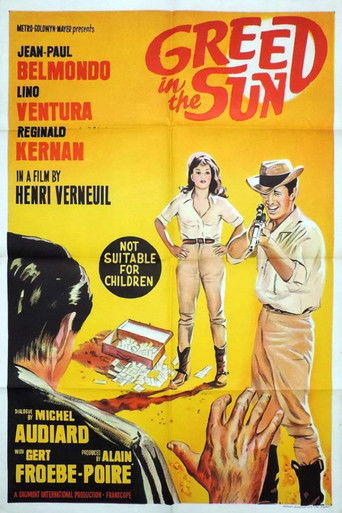 7.1
7.1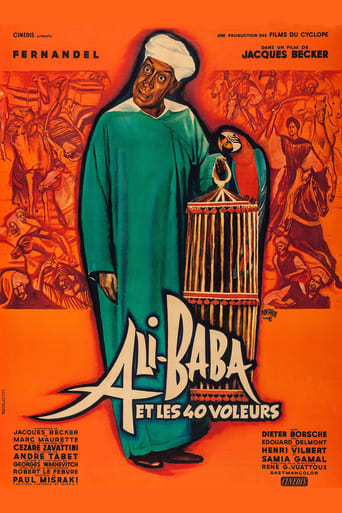 6.2
6.2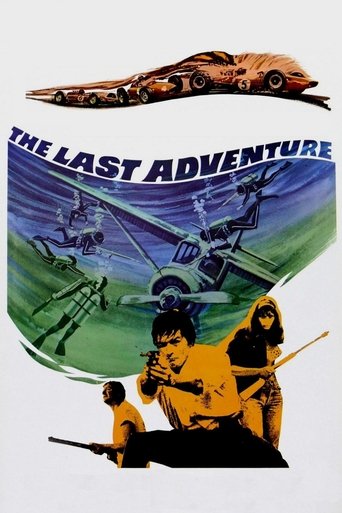 6.9
6.9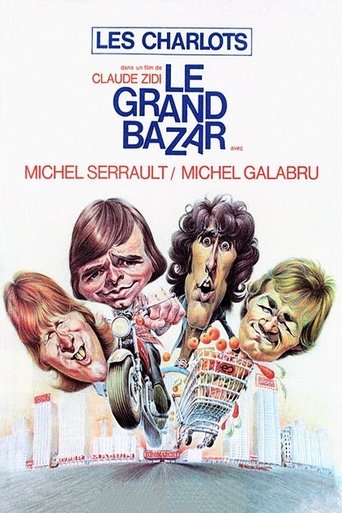 6.3
6.3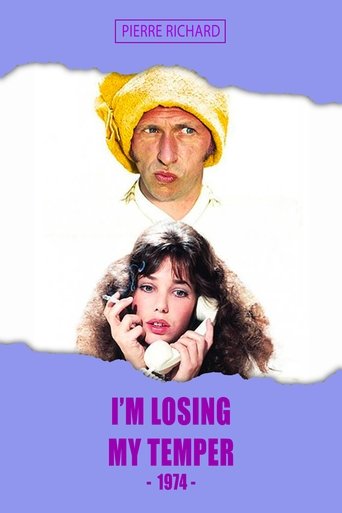 6.1
6.1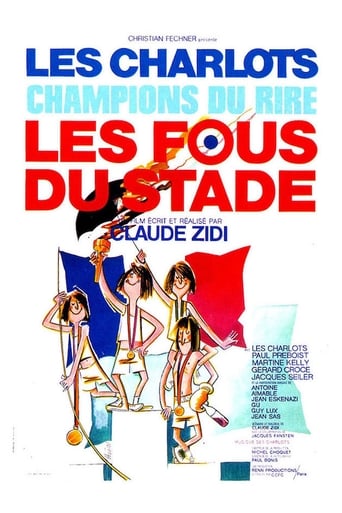 6.1
6.1 6.1
6.1 7.1
7.1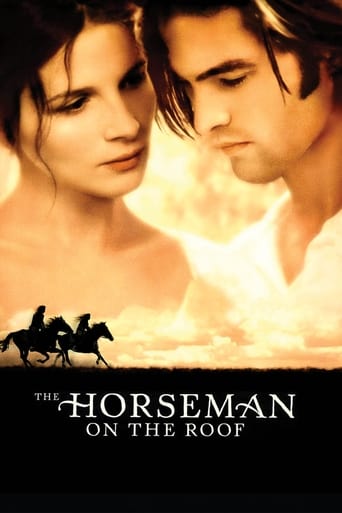 6.5
6.5 6.1
6.1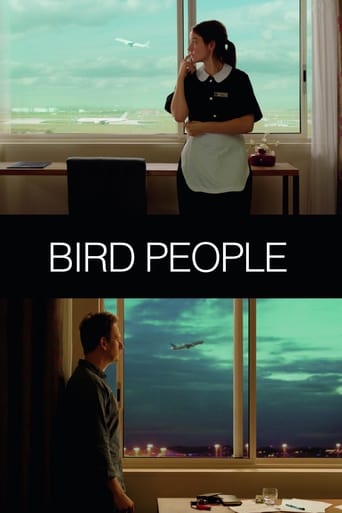 5.9
5.9 5.9
5.9 6.4
6.4 6.3
6.3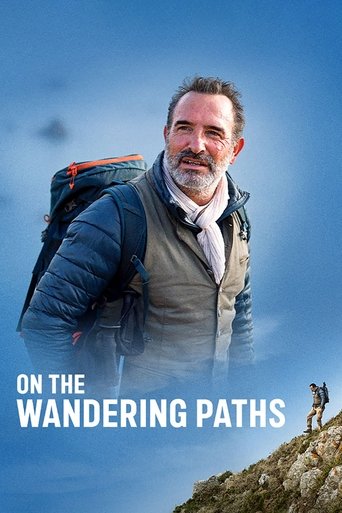 6.3
6.3 5.9
5.9 6.9
6.9 6.1
6.1 6.7
6.7The Cpasmal guide to French-language films and series
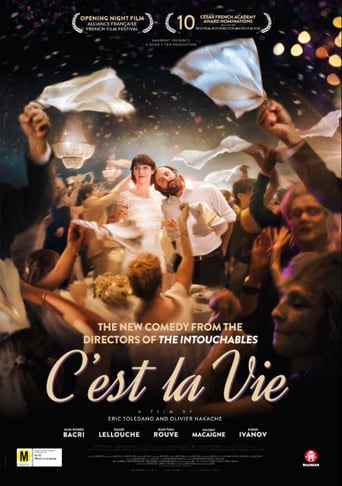
Cpasmal: French-language films and series, from C'est la vie!, Cyrano de Bergerac and Day for Night to The Taste of Others, Orpheus and A Guy, a Girl
France invented the cinema and has loved it ever since. The country makes more than two hundred feature films a year, goes to see them in greater numbers than any other European nation, and shares them with Belgium, Switzerland, Quebec and a wide French-speaking world from Dakar to Montreal. Abroad, French film has a reputation for seriousness. At home the best-loved titles are comedies, swashbucklers and warm stories of family life, and it is those that this guide puts first. Cpasmal introduces 153 French-language films and series, all chosen so that a whole household can watch together, each with a Watch now button that leads to the official services carrying it.
The catalogue holds 110 films and 43 television series made between 1950 and 2026. One hundred and twenty-three titles come from France and thirty from Belgium, Quebec, Switzerland and French-speaking Africa. Ninety are comedies. This guide starts with the best places to begin, then takes the comedies, the classics, the adventures and costume films, the books and plays brought to the screen, the dramas, the titles from beyond France, the series and the choices for children, and ends with a note for parents, an account of the search and My List, and a plan for a first fortnight.
What Cpasmal is
Cpasmal is a viewing guide, and its pages hold descriptions in place of video. Every title has a page with the story, the year, the running time or the number of episodes, the director or creator, the leading cast and the original French title beside the English one. The Watch now button opens JustWatch, an independent directory of official services, for the country you choose; France, Belgium, Switzerland and Canada head the list. JustWatch shows which subscriptions include the title and where it can be rented or bought. The how to watch page explains the steps.
The selection was made by hand from about 770 candidates. Every summary was read. French cinema is famous for its police thrillers and for its frank dramas of adult life, and both were set aside here, together with films of the battlefield and horror. What remains leans towards laughter, costume and the pleasures of good acting.
Where to begin
Begin with C'est la vie!, the film whose French title means the spirit of the party. Max has organised weddings for thirty years and is thinking of selling the business. Tonight's reception is in a seventeenth-century château: a demanding groom, a band whose singer believes himself a star, waiters in powdered wigs who would rather be elsewhere, a photographer more interested in the buffet, and a power cut waiting to happen. The directors Éric Toledano and Olivier Nakache keep a dozen stories spinning through a single long night, and Jean-Pierre Bacri, the great grumbler of French comedy, holds them together with an exasperation that slowly turns to tenderness. It was among the most popular French films of its year and is a perfect introduction to the national style of ensemble comedy.
Follow it with Cyrano de Bergerac, the 1990 film of Edmond Rostand's verse play. Cyrano is the finest swordsman and the readiest wit in the Paris of 1640, and he is in love with his cousin Roxane. He also has a very large nose and is convinced that it puts love out of reach. When Roxane confides that she has fallen for a handsome young cadet with a gift for silence, Cyrano offers to write the young man's letters for him, and pours his own heart into them. Gérard Depardieu gives the performance of his life, by turns comic, heroic and heartbreaking; the film won ten César awards and the best actor prize at Cannes, and its duel fought while composing a ballad is one of the great set pieces of cinema.
For the children, begin with The Gendarme and the Creatures from Outer Space. Louis de Funès, a small, bald whirlwind of indignation, was the most popular comic actor France has ever produced, and his sergeant of the Saint-Tropez police station appeared in six films. In this one a flying saucer lands in the pine woods, and its occupants can take the appearance of anybody in town, the gendarmes included; the only way to tell them apart is that they drink oil and ring hollow when tapped. It is cheerful nonsense of a high order.
Comedy
Ninety titles are comedies, and the comedy guide sorts them. The modern French comedy is often a comedy of manners, sharp about class and taste. The Taste of Others, written by and starring Agnès Jaoui and Jean-Pierre Bacri, is the masterpiece of the kind. A factory owner with a moustache and few cultural pretensions is dragged to the theatre, falls for the leading actress, who also happens to be his English teacher, and begins to hang about with her artistic friends, who find him a great joke. Who is the snob here, the film asks, and answers with wit and compassion. It was nominated for the Academy Award and won the César for best film.
Camille Rewinds sends a woman of forty back to 1985, where she is sixteen again, with her adult mind intact and her parents alive, and where the boy who will one day break her heart is about to ask her out. Divorce French Style is the second chapter of a hit farce about a couple so competitive that even their separation is a contest. In Bad Seeds a young man who lives by his wits finds himself mentoring six teenagers excluded from school, with Catherine Deneuve as his partner; Just to Be Sure stars the Belgian actor François Damiens as a bomb-disposal expert in Brittany who learns that the man who raised him is someone other than his father; and Second Tour, by the inventive Albert Dupontel, follows a journalist on the trail of a suspiciously perfect presidential candidate. Paint it Gold pairs a gallery owner with a painter friend who has stopped selling, and L'Acteur, It’s All Good, Head in the Stars, Family Business and Spices and Lies are light entertainments of recent years.
The comedy of the seventies and eighties had a physical genius in Pierre Richard, a tall blond dreamer with a mop of curls who could fall over a chair that was several feet away. In I'm Losing My Temper he is a mathematics teacher at a girls' school whose life collides with a film star's, played by Jane Birkin, and in The Wild Goose Chase a bank clerk in pursuit of a stolen briefcase across the Channel. The ComDads, written and directed by Francis Veber, teams him with Gérard Depardieu: a mother whose teenage son has run away tells two former admirers, a timid teacher and a tough journalist, that each is the boy's father, and the pair set off for Nice together. It is one of the best double acts in French cinema. Door on the Left as You Leave the Elevator is a stage farce of slamming doors.
Claude Zidi, the director of several of those films, began with a troupe called Les Charlots, pop musicians turned comedians who were France's answer to the Beatles films. In Stadium Nuts the four of them stumble into the Olympic Games, and in The Big Store they defend a corner grocer against a new supermarket. The Down-in-the-Hole Gang imagines a society of gentle eccentrics, led by Philippe Noiret, living in the tunnels and catacombs beneath Paris and determined to stop the digging of yet another car park. Le Bal des casse-pieds catalogues the bores of everyday life, and Is This Reasonable? is a caper with dialogue by the great Michel Audiard.
One curiosity deserves a paragraph of its own. La Classe américaine, made for television in 1993 by Michel Hazanavicius, who later won the Academy Award for The Artist, is built entirely from clips of old Hollywood films, re-dubbed with new and absurd dialogue to tell the story of the classiest man in the world. It was shown once, passed from hand to hand on video for years, and is now the most quoted cult comedy in the French language.
The classics
Twenty-seven films were made before 1980, and the classics guide introduces them. Orpheus, made by the poet Jean Cocteau in 1950, moves the Greek myth to modern Paris. Orpheus is a celebrated poet out of favour with the young; Death is an elegant princess who travels in a black Rolls-Royce escorted by motorcyclists; and the way to the underworld lies through a mirror, which the poet enters as if it were water. Cocteau achieved his marvels with the simplest tricks, film run backwards, a vat of mercury, and they remain unsurpassed. Jean Marais plays Orpheus. It is a film for teenagers and adults who enjoy being puzzled and enchanted at once.
Le Rouge et le Noir, from 1954, films Stendhal's novel about Julien Sorel, a carpenter's son of the 1820s with a prodigious memory and limitless ambition, with Gérard Philipe, the romantic idol of his generation, in the part he was born for. Air of Paris reunites the director Marcel Carné with Jean Gabin and Arletty in the story of an old boxing trainer and his last hope of a champion. Elena and Her Men, by Jean Renoir, is a comedy in the colours of his father's paintings, with Ingrid Bergman as a Polish princess in the Paris of the 1880s who believes she brings men luck. Royal Affairs in Versailles, written and narrated by Sacha Guitry, tells the history of the palace in a parade of sketches with every star in France, and Holiday for Henrietta lets two screenwriters argue over a story while we watch both versions unfold. The Mirror Has Two Faces gave the comedian Bourvil a serious role, and Croesus, directed by the novelist Jean Giono, casts Fernandel as a shepherd who finds a fortune on the hillside.
The sixties were the years of the New Wave, and Sign of the Lion, the first feature by Éric Rohmer, shows its method: a camera in the real streets, following an American musician through one hot Parisian August as his luck runs out. A Matter of Resistance is quite different, a sparkling comedy set in a Normandy manor in the spring of 1944, with Catherine Deneuve as a bored young wife and three men competing for her attention; it won the country's leading film prize and launched the career of Jean-Paul Rappeneau. The Last Adventure is one of the most loved adventure films of the decade, in which a pilot, a mechanic and a sculptress, played by Alain Delon, Lino Ventura and Joanna Shimkus, go hunting for a sunken treasure off the coast of Africa. Ventura is paired with Jean-Paul Belmondo in Greed in the Sun, a tale of rival lorry drivers racing across the Sahara, and the young Belmondo can be seen in Sunday Buddies, made when he was twenty-four.
François Truffaut's Day for Night, from 1973, is the best film ever made about making films. A director, played by Truffaut himself, is shooting a melodrama at a studio in Nice with an anxious leading man, a fragile star, an older actress who keeps forgetting her lines and a cat that refuses to drink its milk. Everything goes wrong and the film gets made anyway, because, as the director says, films are smoother than life. It won the Academy Award for best foreign-language film. Claude Lelouch's And Now My Love spends its whole length bringing two people, whose family histories we follow across the century, to the moment of their first meeting. The Invitation, from Switzerland, observes an office party at a country house with a fine comic eye, and Molière, four hours long and made by a great theatre company, follows the playwright from his childhood to his last performance.
Adventure, history and costume
Twenty-five titles are adventures or costume films, and the adventure guide lists them. France has a tradition of swordplay films, known as cloak and dagger, that goes back to the novels of Alexandre Dumas. The Fighting Musketeers, from 1961, is the first half of a much-loved colour version of The Three Musketeers, concerned with the queen's diamond studs and a race to London. The Mysteries of Paris stars Jean Marais, who did all his own stunts well into his fifties, as a nobleman who goes in disguise among the poor of the city to right a wrong. Marais also leads Ivory Coast Adventure, a treasure hunt in West Africa, and Fernandel is the hero of Ali Baba and the Forty Thieves, filmed in Morocco by Jacques Becker.
Jean-Paul Rappeneau, who made only eight films in fifty years, is the master of the modern costume film, and four of his works are here. After A Matter of Resistance and Cyrano de Bergerac came The Horseman on the Roof, from the novel by Jean Giono: in the Provence of 1832 a young Italian officer, riding hard to escape his pursuers, crosses a countryside in the grip of an epidemic and becomes the protector of a young marquise searching for her husband. Juliette Binoche and Olivier Martinez are the pair, and the landscapes are ravishing. Bon Voyage is a whirl of a film set in June 1940, when the whole of official Paris decamped to a single hotel in Bordeaux: a film star, a minister, a young writer, a physicist and his assistant all need rooms, and each has something to hide.
Other journeys through history include The Flood, an intimate account of the royal family's months in the Temple tower in 1792; What the Day Owes the Night, a romantic saga of a boy growing up in the Algeria of the 1930s; Secret Name, in which a young nurse of 1914 takes another woman's place in a wealthy household; the television series Charlemagne, le prince à cheval; and The Man Who Laughs, from Victor Hugo's novel about a travelling showman and the two orphans he adopts. On the Wandering Paths is a modern adventure: after a serious fall, a travel writer played by Jean Dujardin sets out to walk the length of France, thirteen hundred kilometres along forgotten footpaths, to get his strength and his spirits back.
Books and plays on the screen
French cinema lives on close terms with literature, and the books and plays guide pairs each film with its source. The theatre is represented at its height by Molière. Le Tartuffe, filmed in 1984 from a celebrated stage production, with Gérard Depardieu directing and playing the title role, is the comedy of a wealthy householder taken in by a hypocrite who preaches virtue and covets his host's fortune; it was banned for five years when new and is as funny as ever. Stendhal, Hugo, Dumas and Eugène Sue supply the novels of the nineteenth century, and Émile Zola's Germinal, the story of a mining community in the north in the 1860s, has been filmed as a six-part television series. Les Thibault, in four parts, follows two brothers of a prosperous Parisian family through the first years of the twentieth century, from a novel that won its author the Nobel Prize.
The detective Rouletabille, a boy reporter created by Gaston Leroux in 1907, appears in the playful The Perfume of the Lady in Black, which treats its mystery as a game for a company of gifted comedians. All the Mornings of the World, from a short novel by Pascal Quignard, is the story of two musicians of the seventeenth century: the austere Monsieur de Sainte-Colombe, who withdraws to a cabin in his garden to play the viol in memory of his wife, and his brilliant pupil Marin Marais, who leaves for the court at Versailles. The music, performed by Jordi Savall, sold more records than any classical album in French history, and the film won seven César awards. It moves slowly and repays patience.
Drama
Fifty-eight titles are dramas, and the drama guide picks out the most rewarding. French drama at its best is a cinema of conversation and close observation. Intimate Strangers, by Patrice Leconte, begins with a mistake: a woman on her way to a first appointment with a therapist knocks on the wrong door and pours out her troubles to a tax adviser, who is too polite, and soon too fascinated, to correct her. Fabrice Luchini and Sandrine Bonnaire play the whole film as a duet. A Few Days with Me, by Claude Sautet, sends a withdrawn young heir to inspect a provincial supermarket, where he startles everyone by deciding to stay. Paris, by Cédric Klapisch, weaves a dozen lives across the city around a dancer who watches the street from his balcony while he waits for an operation.
Stories of family are a strength. Jim's Story, set in the Jura mountains, follows a gentle man who raises a boy as his own for seven years and must then find a way to remain in the child's life; Karim Leklou's performance was widely honoured. After Love observes a couple who have agreed to part and must go on sharing a flat. Little Solange sees a marriage come apart through the eyes of a thirteen-year-old, and Hold Me Tight, directed by the actor Mathieu Amalric, is a mysterious and finally very moving film about a mother's love. The Restless portrays a painter, his wife and their small son living with his bipolar illness, with great honesty and warmth. Felicità is lighter: an eleven-year-old and her unreliable, adoring parents spend the last day of the summer holidays trying to get her to school on time.
Work is another favourite subject. The Brigade spends a summer with a fire station in the south during the season of forest fires, and Breath of Life with a hospital doctor whose own mother is admitted to the ward next door. Red Soil follows a young nurse into a chemical plant where her father is the union representative, and Adam's Sake a head nurse on a children's ward. Holy Cow, a prize-winner at Cannes, is about an eighteen-year-old in the Jura who must suddenly provide for his little sister and decides to win the gold medal for the best Comté cheese; it was made with local young people and is full of life.
Age and solitude are treated with dignity. In A Man and His Dog Jean-Paul Belmondo, in his last screen role, plays a retired teacher who finds himself on the streets of Paris with only his dog for company. Last Dance, from Switzerland, is a tender comedy about a widower of seventy-five who keeps a promise to his late wife by taking her place in a contemporary dance company, hiding his rehearsals from his anxious children. Nino follows a young man through one weekend in Paris after unexpected news from his doctor, Sidonie in Japan takes a French novelist, played by Isabelle Huppert, on a book tour that becomes a late romance, and Bird People brings together an American businessman and a hotel chambermaid at an airport, with a turn into fantasy that few viewers see coming.
Belgium, Quebec and beyond
Thirty titles come from outside France, and the guide to Belgium, Quebec and beyond maps them. Quebec, with eight million French speakers, has a flourishing film and television culture of its own, and its accent, its humour and its winters are all distinctive. La Petite Vie is the most popular comedy in the history of Quebec television: a family of lovable eccentrics, led by a father devoted to his rubbish bags and a mother to her turkey, whose episodes were watched by more than half the population. Emilie, known at home as Les Filles de Caleb, is a romantic saga about a young schoolteacher in the countryside of the 1890s and the handsome, restless man she marries; it drew the largest audiences ever recorded there. True North is a frontier drama of the Laurentian hills, with a miser as its villain, and The Glass House a comedy about an immigrant building a business in the 1990s.
The original Un gars, une fille was created in Montreal in 1997: a series of very short scenes from the life of one couple, at the supermarket, in the car, at her mother's, each a little comedy complete in itself. The format has been remade in some thirty countries, and the French version, A Guy, a Girl, made stars of Jean Dujardin and Alexandra Lamy, who later married. Both versions are here, and comparing them is an entertaining lesson in two kinds of French. The Board, Boomerang and Le chalet are further Quebec comedies, and the films A Brother’s Love, 14 Days, 12 Nights and Peak Everything show the range of its cinema.
Belgium contributes actors to half the French films ever made, and titles of its own: Just to Be Sure, Paint it Gold, Mr. Average, the series Aspergirl, about a mother who recognises herself in her son's diagnosis, and The Middleman, in which an estate agent is given legal advice by his goldfish. From Switzerland come The Invitation, Last Dance and Jeune homme, about a young man from Zurich who goes to Geneva as an au pair to improve his French.
French is also the language of cinema across West and North Africa. Ousmane Sembène of Senegal, often called the father of African film, made Faat Kiné at the age of seventy-seven: a portrait of a woman who runs a petrol station in Dakar, has raised two children alone, and celebrates their examination results in the face of everyone who once looked down on her. It is a joyful film. The Pirogue follows a fishing captain who agrees to carry thirty passengers across open sea, and Bamako, by Abderrahmane Sissako, stages an imaginary trial in the courtyard of a family house while daily life goes on around it. Houria, from Algeria, is about a young ballet dancer who rebuilds her life through dance, Arab Blues a comedy about a psychoanalyst who returns from Paris to open a practice on a Tunis rooftop, and Promised Sky and Diamond Island reach as far as Tunis and Phnom Penh.
The series
Forty-three television series are on Cpasmal, and the series guide sorts them. French television has a particular talent for the very short comedy, shown in a few minutes before the evening news. Besides A Guy, a Girl there is Caméra Café, which ran for 644 episodes with a single fixed camera placed, in effect, inside an office coffee machine, so that every employee who came for a cup addressed the audience directly; its two scheming heroes, a union man and a salesman, became national figures. Casting(s), co-created by the actor Pierre Niney, turns auditions into sketches, and Peplum sets an office comedy in the last days of the Roman Empire.
The family saga is the other great tradition. Une famille formidable followed the Beaumont family, a doctor, his wife and their children and friends, for twenty-six years, through marriages, moves and reconciliations, and its cast grew old along with its audience. Nona and Her Daughters is a recent and more unusual example: a campaigner of seventy, played by Miou-Miou, discovers to general astonishment that she is expecting a baby, and her triplet daughters move back in to look after her. Six Women follows a group of patients who set themselves the goal of climbing an Alpine peak together, and is far funnier than its subject suggests. A Long Lost Silence is a delicate three-part drama about a boy of ten spending a summer in the country.
School is a favourite setting. In Blame It on Rousseau a philosophy teacher uses Descartes and Sartre to help his pupils with their everyday dilemmas, one philosopher per episode. The School of Life follows the staff of a secondary school through a year, and Ceux qui rougissent a drama class and its supply teacher. Teenagers will also enjoy Hero Corp, a long-running comedy about retired superheroes with rather modest powers who live in a village in the hills.
Among recent series, UFOs is a delight. In 1978 a brilliant rocket engineer, whose latest launch has ended in flames, is transferred to a small government office that investigates sightings of flying saucers, staffed by a believer, a sceptic and a telephone operator. The seventies decor is lovingly recreated, and Melvil Poupaud plays the engineer as a man whose certainty is being gently dismantled. Represent imagines a youth worker from the suburbs who finds himself, after a televised outburst, a candidate for the presidency. Rematch dramatises the 1997 contest between the world chess champion and a computer. Under Control is a satire of diplomacy, Shambles the comedian Florence Foresti's portrait of her own chaotic life, Off the Hook the story of two flatmates who give up the internet for a month, and Iris a series of sketches about a primary school teacher who says exactly what she thinks.
The kitchen has its series too: Chefs, set in a celebrated Paris restaurant whose proprietor takes on a young apprentice each year, and Bistronomia, about three friends in their twenties with a passion for cooking. Philharmonia follows the first woman appointed to conduct a great Paris orchestra, Sea Shadows an oceanographer in a Normandy port, La Dernière Vague a surfing town visited by a strange cloud, and A Dangerous Friendship a young queen of France and the lively duchess who becomes her confidante. Christmas Flow is a seasonal romance between a rapper and a journalist, Merlin a two-part family adventure with Gérard Jugnot as a wizard who would like to retire, Groom a comedy about an heir obliged to work as a bellboy, and Kim Kong, Le Daron and The Glass House round out the shelf.
Romance
Twenty-eight titles are love stories, and the romance guide suggests an order. The Student, from 1988, is a favourite of a whole generation: Sophie Marceau plays a young woman studying for the hardest teaching examination in France, who has planned her year to the minute, and then meets a jazz musician. A Couch in New York lets a Parisian dancer and a Manhattan psychoanalyst exchange flats, and patients. Love at First Fight, which won three César awards, is about a carpenter's son who follows a fierce young woman, convinced that the world is about to end, onto an army training course; Adèle Haenel became a star in the part. Friendzone and the 2022 Dangerous Liaisons, which moves the famous novel to a secondary school in Biarritz, are for teenagers. At the End of the Day, the fifty-first film of Claude Lelouch, sends a lawyer wandering through France with a trumpet, and Around a Small Mountain, the last film of Jacques Rivette, brings a traveller and a circus performer together on the roads of the Languedoc.
Family viewing
Twenty-seven titles are suggested for watching with children, and the family viewing guide sorts them by age. The comedies of Louis de Funès, Fernandel and Les Charlots are the obvious starting point, together with the two Musketeer adventures. Malabar Princess is a touching film about an eight-year-old sent to stay with his grandfather at the foot of Mont Blanc, who becomes convinced that the glacier holds the answer to a family mystery; Jacques Villeret plays the grandfather. Flight of the Red Balloon, made for a Paris museum by the Taiwanese director Hou Hsiao-hsien, follows a small boy, his puppeteer mother and a balloon that drifts above the rooftops in tribute to a famous short film of 1956. An Indian Tale is a comedy about a gruff hardware dealer in the north, a cow that falls from the sky and a young Indian traveller who needs a bed for the night.
Older children will enjoy Yoroï, a fantasy adventure in which a musician who has moved to Japan finds an ancient suit of armour in his new house; Faster, set at a motor-racing academy; Camille Rewinds; and Cyrano de Bergerac, which has converted many a twelve-year-old to poetry. Head in the Stars is a comedy about a father and his eight-year-old daughter, and Aïcha the first of a popular series of television films about a young woman from a housing estate outside Paris and her large, loving family.
Faces and directors to follow
The search field accepts the name of an actor or director, and several names repay following; the directors guide lists the film-makers with more than one title here. Gérard Depardieu, the dominant French actor of his generation, appears in six: as the tough journalist of The ComDads, the court musician of All the Mornings of the World, Cyrano, Tartuffe, the showman of The Man Who Laughs and a minister in Bon Voyage. Juliette Binoche is the marquise of The Horseman on the Roof, a dancer on a borrowed couch, a puppeteer and one of the Parisians of Paris. Jean-Paul Belmondo may be seen at twenty-four, at thirty-one and in his last role at seventy-five, and Jean Marais in four films across fifteen years. Isabelle Huppert leads Sidonie in Japan and Claire's Camera, a miniature comedy shot during the Cannes festival by the Korean director Hong Sang-soo.
Among the newer generation, Lyna Khoudri stars in both Secret Name and Houria; Léa Drucker in Adam's Sake, Little Solange and the series Under Control; the writer, director and star of Camille Rewinds turns up as a mother in two recent comedies; and Jean Dujardin, before his Academy Award, spent four years as the guy of A Guy, a Girl. Denis Podalydès of the Comédie-Française is the hero of his brother Bruno's two comedies, Freedom-Oleron, about a family man who buys a small sailing boat, and the Rouletabille mystery.
Three decades of the catalogue have guides of their own. The 1980 to 1999 guide covers the years of the great popular comedies and the prestige costume films, and the 2015 onwards guide picks out the best of the seventy-five newest titles, which make up nearly half the catalogue and include C'est la vie!, Holy Cow, Jim's Story, On the Wandering Paths, UFOs and Six Women.
Why France makes so many films
A word of background explains the abundance. Since 1948 every cinema ticket sold in France, for a film of any nationality, has carried a small levy that goes into a national fund, and the fund is paid out again to French producers. Television channels are required by law to invest a share of their income in new films, and the streaming services have recently been brought into the same system. The result is the most productive film industry in Europe and one with room for every kind of film, from the star comedy seen by five million people to the first feature shot in a mountain village. C'est la vie! and Holy Cow were financed by the same mechanisms.
The system also protects the cinema as a place. France has more screens for its population than any comparable country, the price of a ticket is modest, and schoolchildren are taken to see classic films as part of the curriculum, which is why a French teenager is quite likely to know Orpheus or Day for Night. Films reach television and the streaming services only after an agreed interval, so that a comedy may play in cinemas for months. For viewers elsewhere, this means that the French films arriving on official services have usually had a long and successful life at home first.
A tour of France in films
A catalogue of French films is also a map of France, and these titles between them visit most of the country. Paris is everywhere, from the Left Bank cafés of Orpheus and the boxing halls of Air of Paris to the rooftops of Flight of the Red Balloon and the many neighbourhoods of Paris itself, while The Down-in-the-Hole Gang explores the city that lies beneath the pavements. The Riviera supplies the studio of Day for Night and the beaches where the gendarmes of Saint-Tropez keep order. Provence is the setting of The Horseman on the Roof and of Croesus, filmed on the high plateau that its director had described in his novels, and the Languedoc of Around a Small Mountain.
Normandy appears in spring sunshine in A Matter of Resistance and under sea mist in the series Sea Shadows; Brittany in Just to Be Sure; the Atlantic island of Oléron in the sailing comedy Freedom-Oleron; and Bordeaux, crowded with ministers and luggage, in Bon Voyage. The Jura mountains, with their pastures and cheese cellars, are the home of both Holy Cow and Jim's Story, and the Alps of Malabar Princess and Six Women. The mining country of the north is the landscape of Germinal, and On the Wandering Paths crosses the whole country on foot, from the Mediterranean hills to the Channel coast, by the old rural tracks that the maps mark in black.
Beyond the borders, the camera travels to the Sahara in Greed in the Sun, to the coast of Africa in The Last Adventure, to Dakar in Faat Kiné, to Tunis in Arab Blues, to Kyoto in Sidonie in Japan, to Vietnam in 14 Days, 12 Nights and to the snowbound villages of Quebec in Emilie and True North. Few national cinemas travel so widely while remaining so recognisably themselves.
Reading the scores
Each poster on Cpasmal carries a small blue figure at its corner, the average mark out of ten given by members of the public film database. It is a useful first guide and should be read with a little care. Popular comedies are marked more severely than dramas everywhere, and nowhere more than in France, so that a comedy at 6.5 is frequently a better evening than a drama at 7.5. Television series and older films rest on fewer votes than recent cinema releases. The top rated list therefore asks for at least twenty votes as well as a mark of 6.8, and currently holds twenty-seven titles, among them Cyrano de Bergerac, Day for Night, Orpheus, The Taste of Others and All the Mornings of the World.
A word on language
French is spoken in many accents, and this catalogue lets you hear a good number of them: the clipped Parisian of the comedies, the sunny southern French of Fernandel, the Belgian inflections of François Damiens, the Swiss calm of The Invitation and the vigorous French of Quebec, which keeps old words that France has forgotten and adds a music of its own. Learners will find the short comedies ideal, since each scene of A Guy, a Girl or Caméra Café lasts a minute or two and uses the language of every day, and the verse of Cyrano de Bergerac rewards anyone who can follow it in the original.
The services listed by JustWatch state which subtitles and soundtracks each offers in your country. Recent films and series made with international platforms usually carry English subtitles; older comedies and television productions are sometimes offered in French only.
A note for parents
Most of the catalogue can be watched by all ages together. The comedies of the fifties to the eighties are broad and good-natured, and the costume films contain swordplay in the traditional manner. A few titles are better kept for teenagers and adults. Orpheus and All the Mornings of the World are poetic films about loss. A Man and His Dog, Nino, Breath of Life, Six Women and The Restless deal with illness, old age or hardship, gently in every case. After Love, Little Solange and Divorce French Style are about separation, the last of them as farce. The Pirogue, Bamako and What the Day Owes the Night touch on migration and on the history of France and Africa, and make good starting points for conversation. Germinal depicts the hard lives of nineteenth-century miners.
Search, categories and My List
The top bar holds the menu, the search field and the blue My List button. The search answers as you type and accepts a title in English or in French, so that both Day for Night and La Nuit américaine will find the same film, or the name of an actor or director. On the home page a side column lists the categories and periods with the number of titles in each, and the finding titles page explains all fourteen lists together with the A to Z. To keep a title for later, press Add to My List on its page. Your saved titles are stored by the browser on your own device, and the My List page shows how to save the list to a file.
A fortnight with Cpasmal
For a first fortnight, take one title from each shelf. A modern comedy: C'est la vie!. A comedy of manners: The Taste of Others. A Pierre Richard evening: The ComDads. A swashbuckler: Cyrano de Bergerac. A costume romance: The Horseman on the Roof. A classic: Day for Night. A film for the children: The Gendarme and the Creatures from Outer Space. A drama: Jim's Story. A film from Africa: Faat Kiné. A series from Quebec: La Petite Vie. Then let UFOs keep you company through the second week, with a few minutes of A Guy, a Girl before bed.
Questions and answers
Questions
What is Cpasmal?
Cpasmal is a guide to 153 French-language films and series from France, Belgium, Quebec, Switzerland and French-speaking Africa, 1950 to 2026, each with its story, cast and a Watch now button to the official services that carry it.
Which title should I watch first?
Start with the comedy C'est la vie!, the swashbuckler Cyrano de Bergerac or the family favourite The Gendarme and the Creatures from Outer Space.
Is the catalogue suitable for families?
Yes. Every summary was read by hand, and police thrillers, horror, films of the battlefield and adult dramas were left out. A note in the guide lists the titles better kept for older viewers.
Which countries are covered?
France with 123 titles, and Belgium, Quebec, Switzerland, Senegal, Algeria and others with 30 between them.
Are the films subtitled in English?
Cpasmal is a guide, and each Watch now button opens JustWatch, where every listed service shows the subtitles and soundtracks it offers in your country.
Which series are the best known?
A Guy, a Girl, Caméra Café, Une famille formidable, UFOs and Represent from France, and La Petite Vie and Emilie from Quebec.
How does My List work?
Press Add to My List on any title page. The list is kept by the browser on this device, and the list page can write it to a file.
Does Cpasmal host films or episodes?
Cpasmal is a guide only. Every Watch now button opens JustWatch, which lists the official streaming, rental and purchase services for your country.
